
Injection Molding Gates – Performance, Wear, and Life Extension

This article explains why injection molding gates wear out, how traditional tool steel and carbide inserts fall short, and why Ferro-Tic delivers superior durability and stability. It also highlights the real-world benefits for mold makers and processors, including longer mold life, lower maintenance, and better part quality.
Titanium Carbide vs Tungsten Carbide: A Comparative Analysis
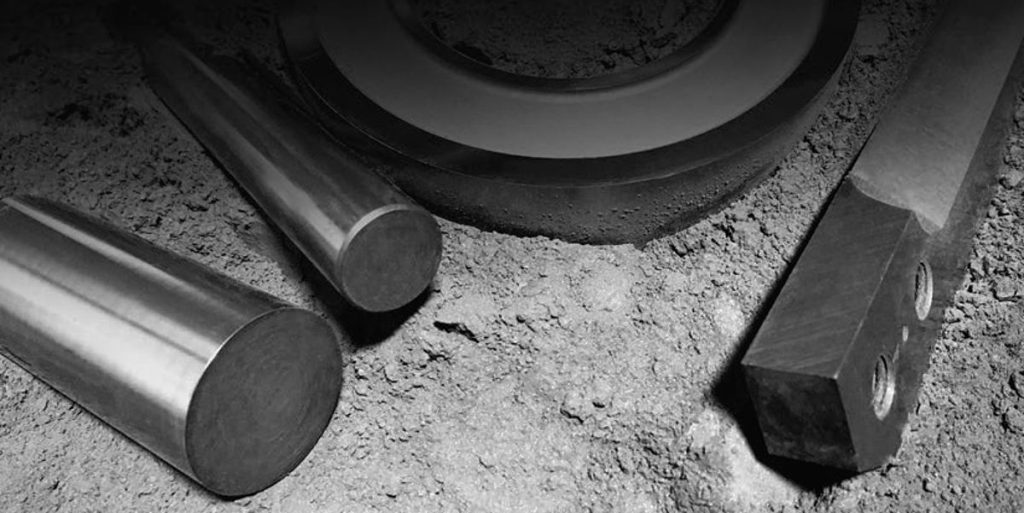
This article compares titanium carbide vs tungsten carbide, analyzing their mechanical properties, durability, thermal performance, and cost considerations. We will explore which of them is ideal for cutting tools, wear-resistant coatings, industrial dies, aerospace components, and other precision manufacturing applications. Whether designing high-speed machining tools or heavy-duty industrial parts, understanding their differences will help you make an informed decision.
Wire Dies: Types, Applications, and Material Selection
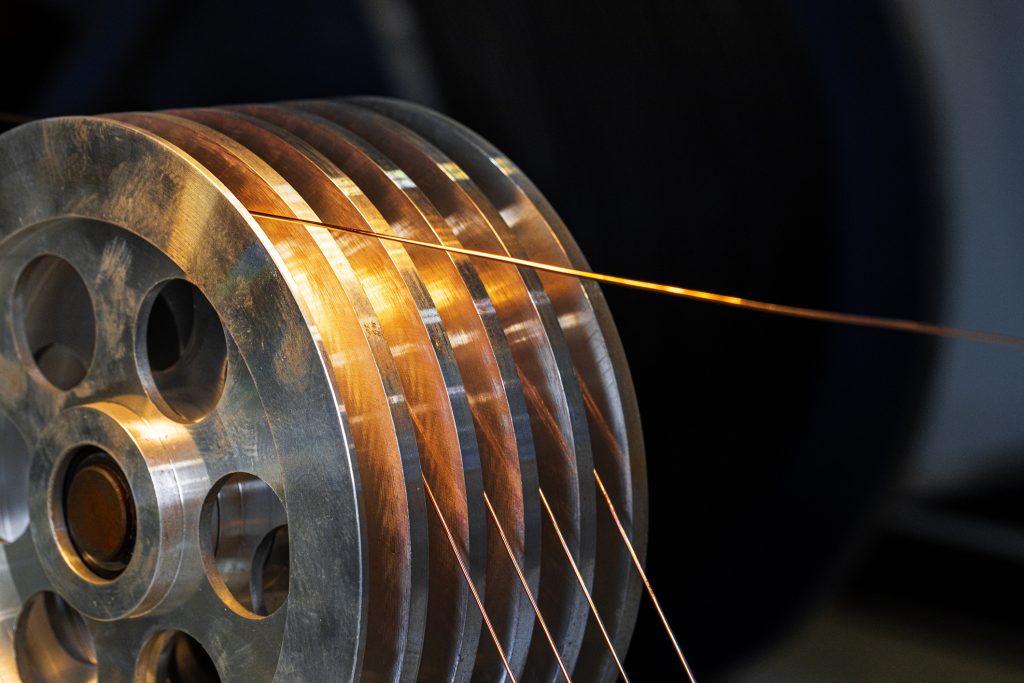
Wire dies are essential tools in wire drawing, enabling manufacturers to produce high-precision wires with consistent diameter, surface finish, and mechanical properties. Serving in industries ranging from aerospace to electronics, wire dies help create everything from ultra-fine wires to heavy-duty industrial cables. This article discusses what wire dies are, the various types, applications, and common materials for construction.
Dies and Punches – Types, Uses, and Construction
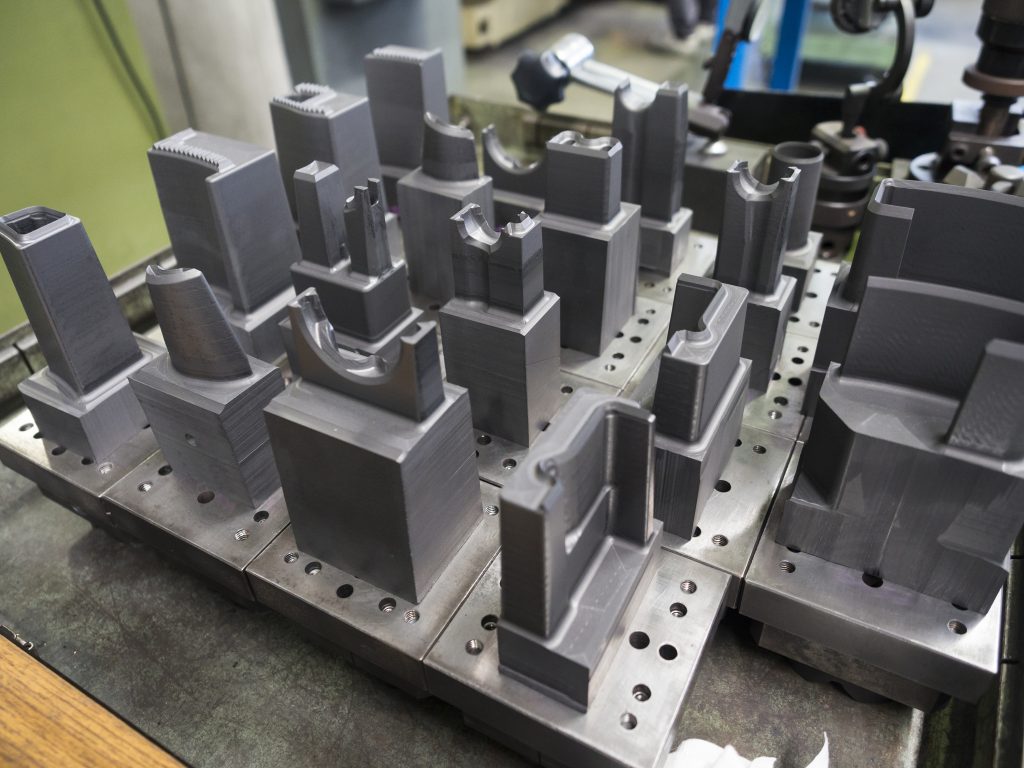
This article provides a comprehensive guide to dies and punches, covering their types, uses, construction materials, key performance factors, and industry applications. Understanding these aspects helps manufacturers make informed decisions when selecting tooling solutions for their production needs.
Copper Extrusion Process
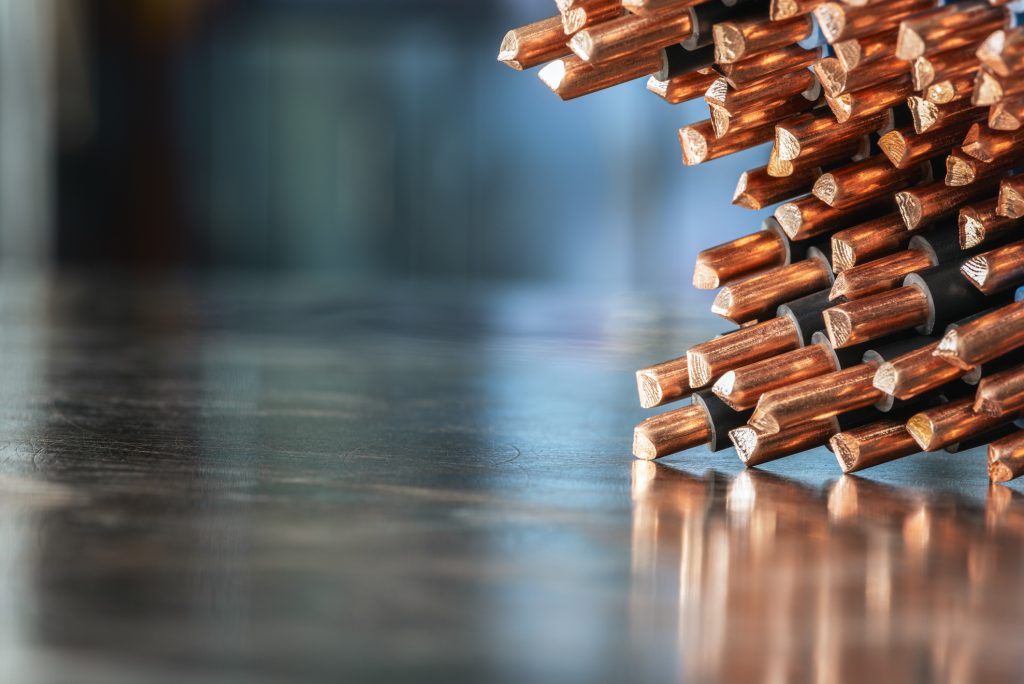
Copper extrusion is a fundamental process in modern manufacturing, allowing for the production of high-strength, corrosion-resistant components serving in electrical, automotive, and construction industries. This article explores the copper extrusion process, key techniques, types, benefits, challenges, applications in critical industries, as well as innovations.
High Nickel Alloys – Properties, Benefits, and Applications

High nickel alloys often serve in high-performance applications, because they offer exceptional strength, corrosion resistance, and thermal stability. This article explores what high nickel alloys are in details, their key properties, as well as benefits in critical applications.
Cutting Tool Materials for High-Precision Applications
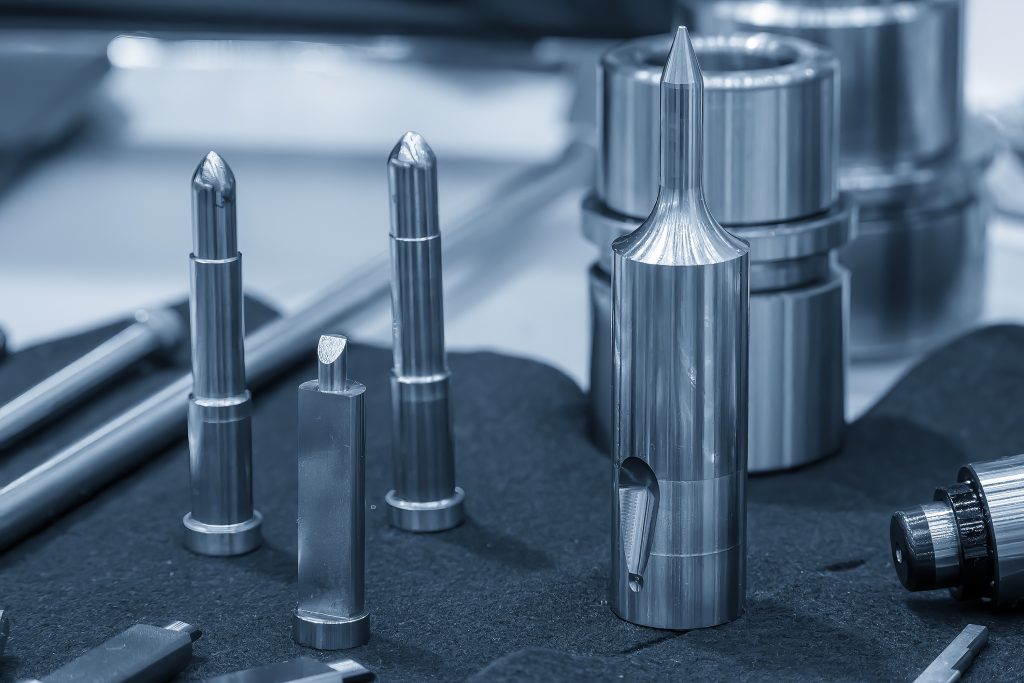
Cutting tools serve in the removal of material from a workpiece in a host of manufacturing processes. This article explores the fundamentals of cutting tools, the desirable properties for metal stamping die tools, and the specific requirements for shear knives, rotating slitters, pelletizer knives, bed knives, and non-metallic cutting tools. Understanding these aspects ensures optimal tool performance and longevity across various industrial applications.
Industrial Machine Knives: Making the Right Choice
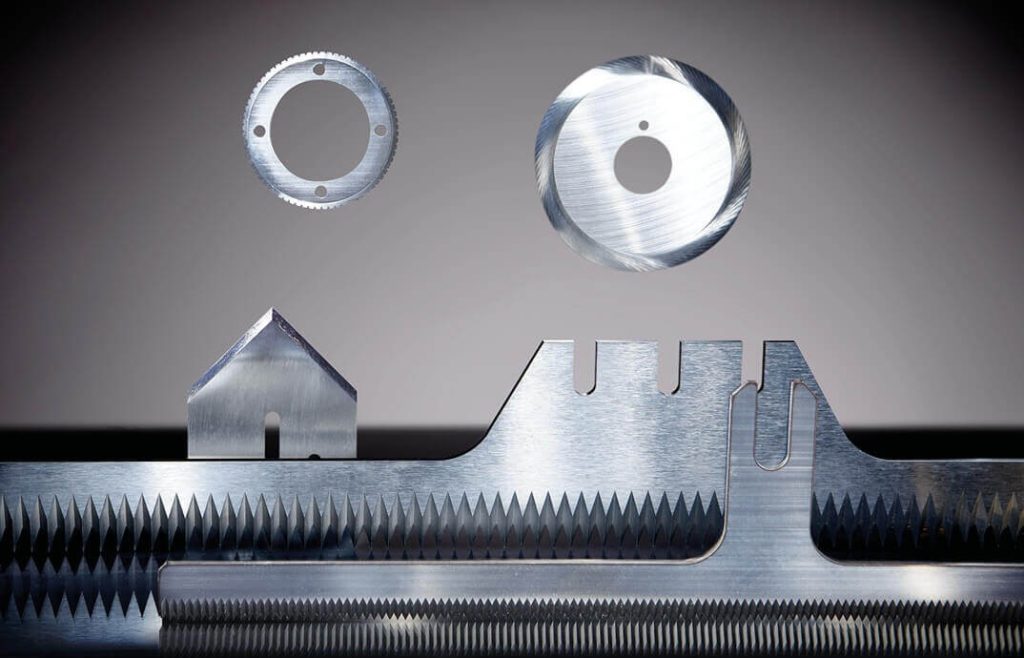
Industrial machine knives are essential tools for many industries, from paper and film processing to metalworking and recycling. This article details what industrial knives are, the material properties that best suit them, as well as how TiC and steel bonded materials improve their longevity and performance.
What is TiC Material
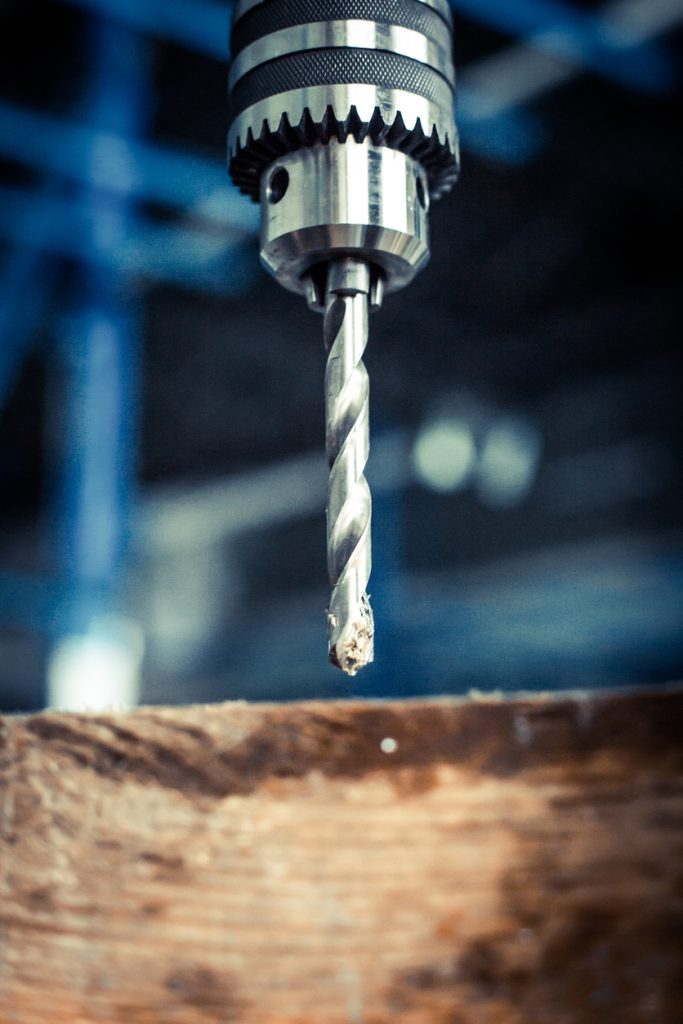
This article reviews the unique properties of TiC material and its role in enhancing durability and wear resistance in industrial applications.
Impact Strength vs Tensile Strength
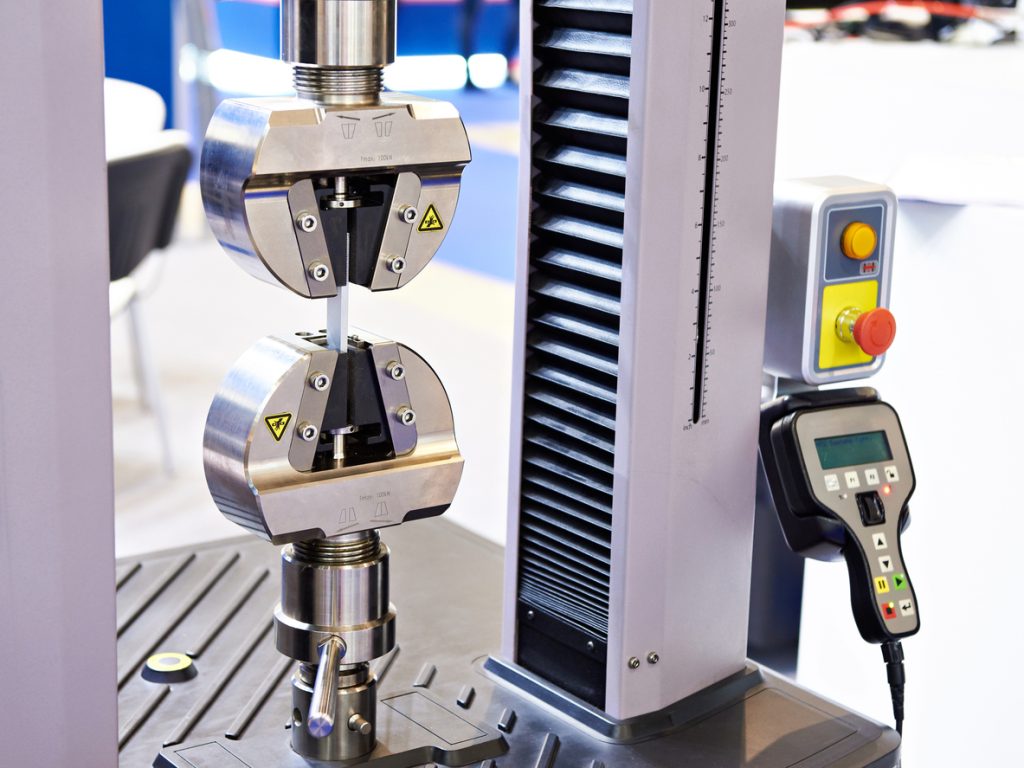
This article delves into the differences between impact strength vs tensile strength, and the importance of each in high-stress applications.